


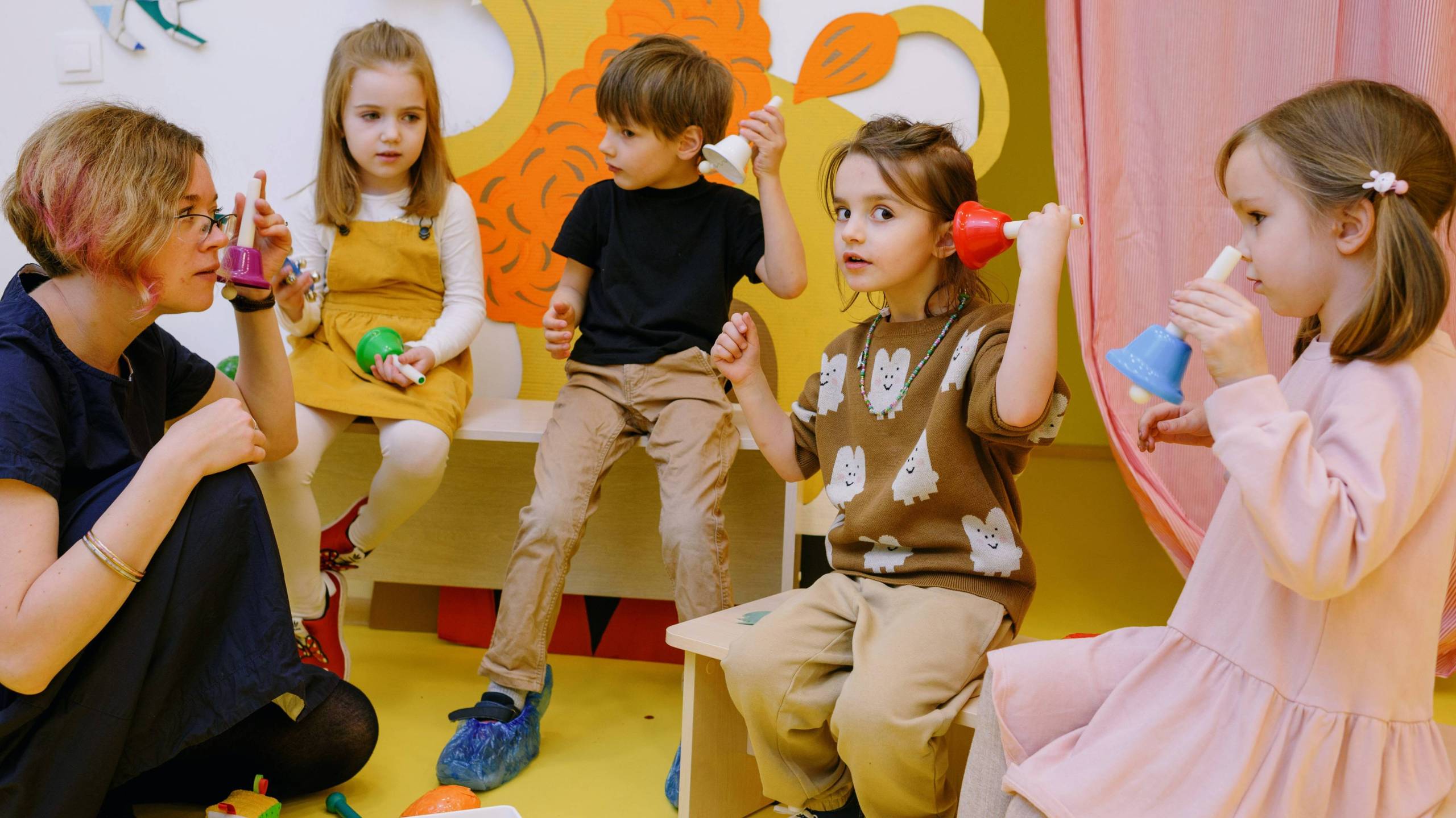
Social skills groups for children with Autism Spectrum Disorder (ASD) are structured interventions aimed at improving their social communication, interaction, and relationship-building abilities. Our groups provide a supportive and structured environment where children can learn and practice social skills with their peers under our guidance
Group Structures:
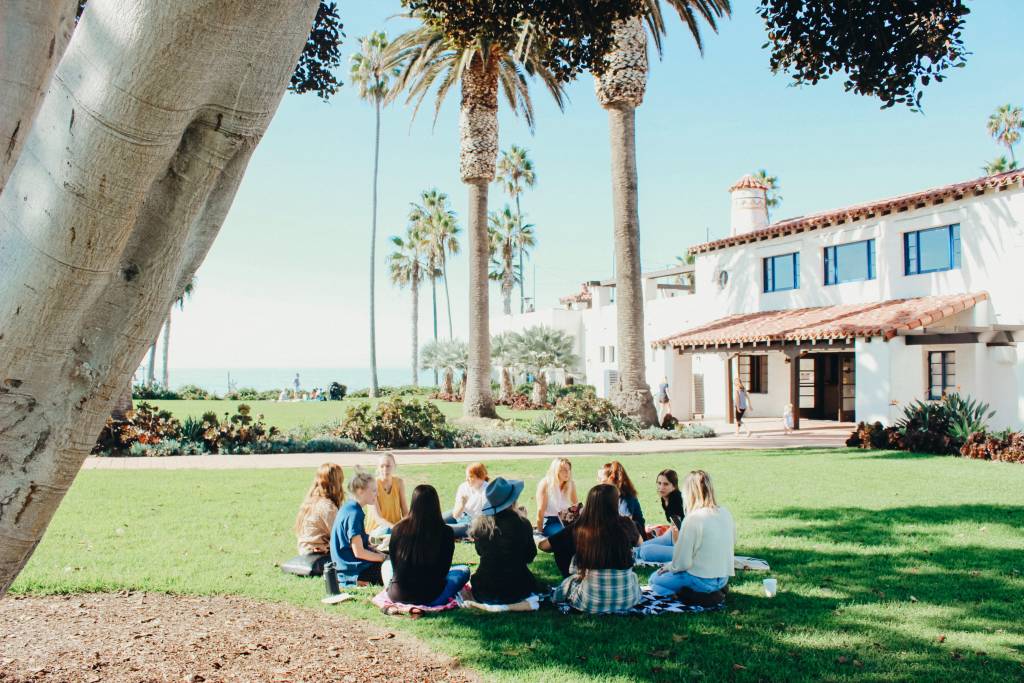
Small-group setting
Our social skills groups typically consist of a small number of children, usually around 2-6 participants. This allows for individualized attention and opportunities for social interaction among peers.
Age and skill level appropriate
Children are grouped based on their age and social skill level to ensure that they can engage with peers who are at a similar developmental stage and have similar social needs.
Regular sessions
Our groups meet regularly, usually once or twice a week. The duration of each session may vary, typically ranging from 60 to 90 minutes.
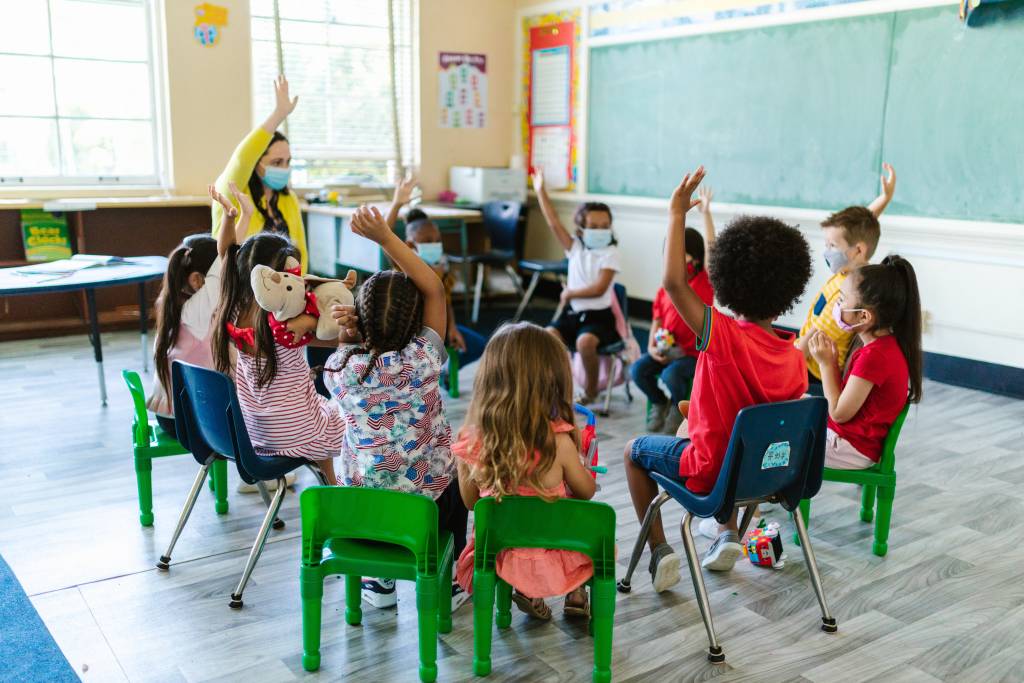
Social skill instruction
The curriculum focuses on teaching specific social skills that children with ASD may struggle with, such as initiating and maintaining conversations, understanding nonverbal cues, taking turns, sharing, and problem-solving. Skills are broken down into manageable steps and taught using visual supports, modeling, and role-playing.
Structured activities
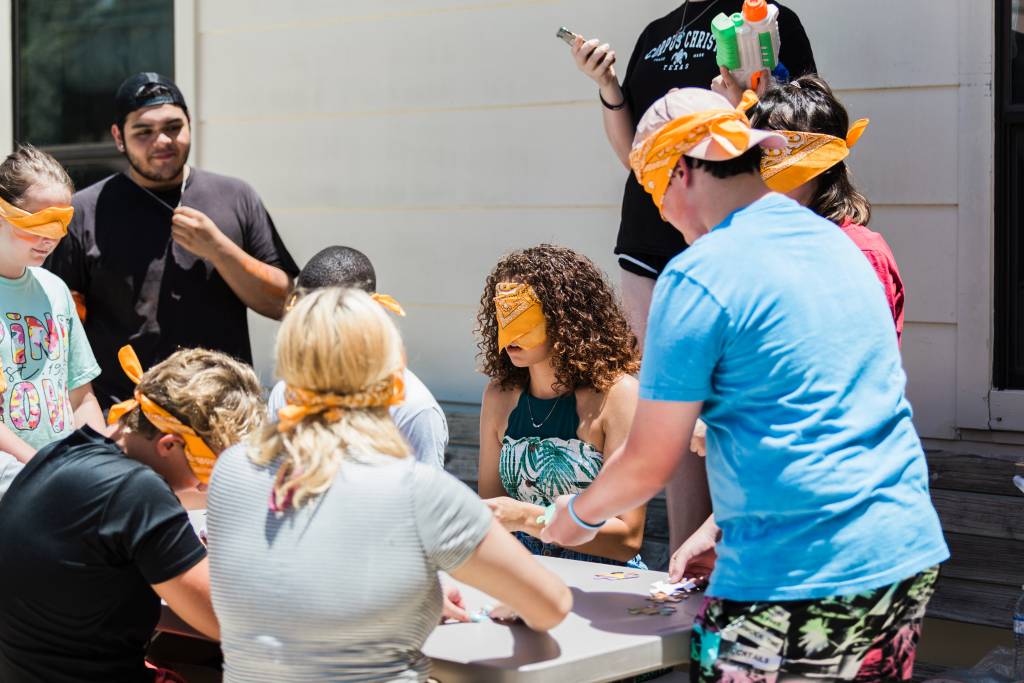
Groups engage in structured activities designed to promote social interaction and practice targeted skills. These activities may include cooperative games, group projects, role-playing scenarios, and collaborative tasks.
Peer modeling
Peers in the group serve as models for appropriate social behavior. Our groups can enhance communication skills, including verbal and nonverbal communication, understanding social cues, and responding appropriately in social situations.
Generalization of skills
Social skills learned in the group setting are reinforced and practiced in real-world contexts. We provide strategies and support for transferring and applying skills in everyday situations, such as school, home, and community settings.
Emotional regulation and self-awareness
Our groups may incorporate activities to help children develop emotional regulation skills and enhance their self-awareness. These activities may focus on identifying emotions, understanding personal feelings, and using appropriate coping strategies.
Benefits of Social Skills Groups:
Peer interaction
Our social skills groups provide a structured setting for children with ASD to interact with peers who may share similar challenges. They can practice social skills, learn from one another, and build friendships in a supportive environment.
Increased confidence
Through consistent practice and positive reinforcement, children gain confidence in their social abilities and become more comfortable engaging with others.